peach palm engish
Plants For A Future Appeal
PFAF employs an administrator who is both a specialist in plant information and in technical aspects of database and website design and development. There is also a need to look after the day-to-day operation of the database and website, without which it would quickly become inoperative or unstable. We know from experience that this can’t be done properly by unpaid volunteers, no matter how skilled or committed they are. This is our main expense.
We get some income by selling our books, and from online advertising, but these revenues are unpredictable and together usually produce only about half of what we need. We have always managed to do a lot with very little money, and all PFAF’s management and admin tasks are done on a voluntary basis. But we still need a regular flow of donations from our individual users and supporters.
In recent years we have focused our development effort on aligning our database with strategies being devised and promoted to produce food, sequester carbon and increase biodiversity, through the establishment of Food Forests/ Forest Gardens. In 2021 this enabled us to produce our easy-to-use reference book Plants for Your Food Forest, which has become our all-time best-selling publication. We are convinced that Food Forests and complementary locally-based enterprises could be an important element in starting to bring about the widespread changes in lifestyle now urgently needed to confront the worldwide ecological crisis. By the end of 2023, we hope to have produced a new reference book on Plants for Tropical Food Forests.
Please give what you can to keep Plants For A Future properly funded at this crucial time for the future of the planet.
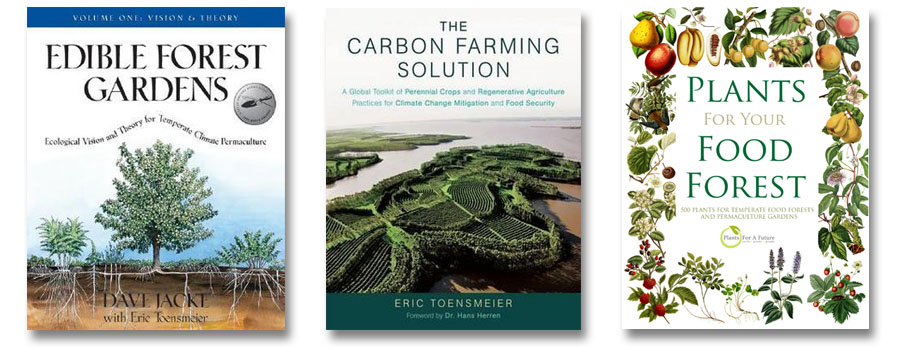
Now available: PLANTS FOR YOUR FOOD FOREST: 500 Plants for Temperate Food Forests and Permaculture Gardens.
An important new book from PFAF. It focuses on the attributes of plants suitable for food forests, what each can contribute to a food forest ecosystem, including carbon sequestration, and the kinds of foods they yield. The book suggests that community and small-scale food forests can provide a real alternative to intensive industrialised agriculture, and help to combat the many inter-related environmental crises that threaten the very future of life on Earth.


ความคิดเห็น
แสดงความคิดเห็น